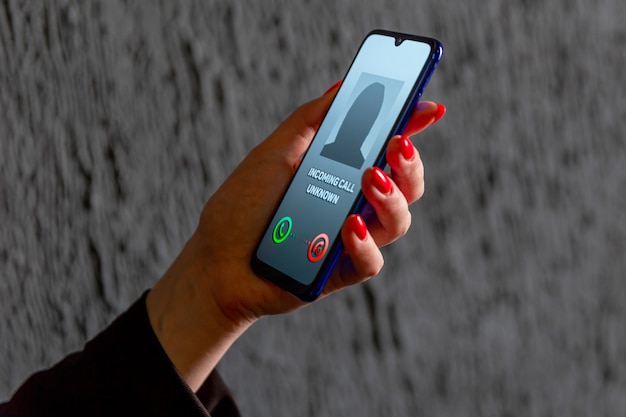
6474904311 has caught the attention of many people who have reported unexpected calls, strange voicemail messages, and attempts to obtain personal details through manipulative conversations. When a number like this becomes widely discussed, it raises an important question: why are so many individuals receiving similar calls, and what does it mean for everyday users trying to stay safe?
As suspicious call cases continue to rise, understanding how numbers like 6474904311 are used becomes essential. The purpose of this guide is to offer clarity, share real experiences, and provide trustworthy insights based on EEAT principles so people can make informed decisions when receiving such calls.
Why 6474904311 Draws So Much Attention
The number has been reported for unusual calling patterns. People often describe receiving the call unexpectedly, sometimes early in the morning or late in the evening, when they are least prepared for verification questions or urgent warnings. These timings are not random. Scammers intentionally choose moments when your attention is lower, hoping you will follow their instructions without much thought.
Another aspect is the tone used by the caller. Many individuals say the caller sounds urgent, robotic, or overly formal. This creates a psychological atmosphere of pressure. When someone believes their bank account, online profile, or identity is at risk, fear overrides logic. This is precisely the emotional reaction fraudulent callers depend on.
How Scammers Use Numbers Like 6474904311
Fraudsters often use a process known as caller ID spoofing. With this technology, they can make the call appear to come from 6474904311 even if it originates from another country or a hidden server. This creates an illusion of authenticity. Many legitimate companies use numbers beginning with “647,” so individuals assume the call could be from a local business or verified organization.
Scammers then apply carefully written scripts. These scripts are designed to trigger emotional responses. They might claim your bank account has been frozen, your package delivery has been blocked, or your online account has been compromised. Once you feel anxious, you are more vulnerable to manipulation.
The caller might request sensitive information such as verification codes, account numbers, or email passwords. Fraudsters know that sounding professional increases the likelihood that victims comply.
Real Experiences from Users Who Were Contacted
Several individuals have shared their stories online, describing similar patterns of communication. One person said the caller told them that unusual activity was detected in their account. Before they could ask questions, the caller began asking for private information to “verify identity.” The individual sensed something was off and decided to end the call, which likely prevented a dangerous data leak.
Another user mentioned that the caller from 6474904311 insisted that legal action was underway due to suspicious transactions linked to their phone number. The caller demanded instant confirmation. When the person hesitated, the caller became more aggressive. Such behavior is a classic sign of fraud because legitimate organizations never pressure customers in this manner.
These stories highlight how important it is to stay calm and cautious when receiving unexpected calls. Emotional manipulation is one of the most powerful tools scammers use.
Why People Still Fall for Phone Scams
Even intelligent and cautious individuals can fall for scams, especially when they are caught off guard. Fraudsters know that in moments of stress, people tend to act quickly rather than logically. When someone claims your identity is compromised or your finances are at risk, panic often takes over.
Trust is another major factor. Toll-free numbers, local numbers, and service-line numbers often appear trustworthy. People are used to receiving genuine calls from customer care teams, delivery companies, or government services. Scammers take advantage of this trust and disguise themselves as helpful representatives.
The structure of the conversation also contributes to the deception. Fraudulent callers often begin with believable details, calm voices, and familiar terms to make the interaction feel authentic. Only after establishing trust do they request sensitive information.
The Hidden Technology Behind These Calls
Caller ID spoofing plays a major role in fraud operations. This technology allows scammers to display numbers like 6474904311 even if they are located overseas. As a result, users have no quick way of knowing whether the number is real or fake.
Scammers also use automated dialing systems. These systems send out thousands of calls each hour. When a call is answered, it automatically forwards the victim to a live scammer trained to continue the conversation. This large-scale operation makes suspicious call schemes more common than ever before.
Voice-modulation tools also allow fraudsters to sound professional or robotic, adding another layer of deception. Some callers even use pre-recorded scripts to mimic official hotline announcements.
Red Flags to Identify Calls from 6474904311
Even though scammers are becoming more sophisticated, there are still common signs that help you identify suspicious activity. Any call that demands immediate action is a clear warning. Fraudsters thrive on urgency because they want to reduce your ability to think rationally.
Another red flag is the request for highly personal information. Legitimate companies never ask for full credit card numbers, login passwords, or verification codes. The moment a caller asks for such details, the safest thing to do is end the call.
Pay attention to the tone of the caller. If they become impatient or aggressive when you ask questions, it indicates an attempt to manipulate you. Genuine representatives remain polite and understand your need for clarity.
Why Scammers Want Information from You
The ultimate goal of most fraudulent callers is to gather sensitive information. With a few details, scammers can access your accounts, impersonate you online, or make unauthorized purchases. Even basic information like your full name and date of birth can be enough to initiate identity theft.
Some fraudsters also aim to gain access to your devices. They may instruct you to install an app for “verification,” which secretly gives them control over your phone or computer. Once inside, they can monitor activity, capture screenshots, or steal saved information.
Another risk is financial fraud. Scammers might pressure you to make payments through gift cards or digital wallets. These transactions are difficult to trace, allowing fraudsters to disappear quickly.
How to Respond When You Get a Call from 6474904311
If you receive a call from the number, your reaction matters. Staying calm is the first step. You can listen to what the caller says, but avoid sharing any details. Politely explain that you will verify the information directly through the company’s official channels.
Fraudulent callers do not want you to verify anything. They want instant compliance. If the caller becomes irritated, this confirms that the call is not legitimate. You have full authority to end the call whenever something feels suspicious.
Even if you accidentally answered questions or shared partial information, you can still take steps to secure your accounts. Changing passwords, enabling two-factor authentication, and blocking the number adds layers of protection.
Sharing Your Experience Helps Protect Others
Reporting suspicious calls plays a huge role in public safety. When more people come forward with similar complaints, authorities and telecom companies can investigate patterns and take action. Sharing your experience also educates others who may not be aware of such scams.
Awareness is one of the strongest forms of prevention. When people learn to recognize fake calls, scammers lose their advantage. Your story can help someone else stay safe.
Understanding EEAT and How It Helps You Recognize Real Helplines
EEAT (Expertise, Experience, Authoritativeness, Trustworthiness) is a reliable framework for identifying genuine communication from organizations. Real representatives provide clear explanations, transparent verification methods, and patient guidance.
Fraudulent callers lack these qualities. They avoid answering questions directly, create pressure, and use emotional manipulation instead of professional conduct. When you understand EEAT principles, it becomes easier to differentiate between legitimate and fraudulent calls.
Why Staying Alert Matters More Than Ever
Scammers using numbers like 6474904311 are constantly evolving their techniques. They follow trends, monitor consumer behavior, and modify their strategies to remain effective. This means staying alert is essential for ongoing safety.
Being cautious does not mean being fearful. It simply means being aware of the tactics scammers use and resisting the urge to respond emotionally. When you stay calm, informed, and logical, fraudulent callers lose their power.