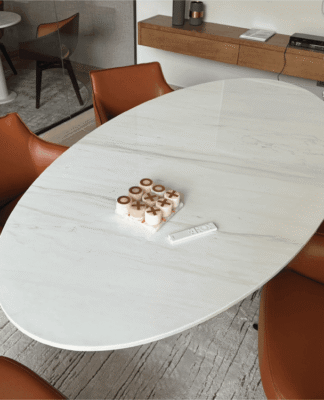
A house becomes more enjoyable when it supports everyday activities in practical and comfortable ways. Many useful suggestions featured on homeleon.net focus on improving living spaces through manageable changes instead of expensive remodeling projects.
People often assume home improvement requires large budgets and complicated plans. In reality, many effective upgrades involve small decisions and regular attention. Better organization, improved lighting, and thoughtful use of available space can make a noticeable difference. Comfortable homes are usually created through simple habits that fit naturally into daily routines.
Making Rooms Feel Bigger
Small rooms can sometimes feel crowded even when they contain only basic furniture. The arrangement of items often influences how spacious an area appears.
Keeping walkways clear immediately improves movement and creates an open feeling. Furniture that serves multiple purposes can also reduce unnecessary clutter.
Mirrors remain popular because they reflect light and visually expand smaller spaces. Choosing furniture that matches room size helps maintain balance and prevents areas from feeling overwhelmed.
A room does not need additional square footage to feel more comfortable. Sometimes removing unnecessary objects creates the biggest improvement.
Choosing Better Lighting Options
Lighting affects mood, productivity, and comfort throughout the home. Rooms with poor lighting often feel dull and less inviting.
Natural light should be used whenever possible. Opening curtains during the day allows sunlight to brighten indoor areas and improve the overall atmosphere.
Artificial lighting works best when different sources support different activities. Reading spaces usually benefit from focused light, while living rooms often feel better with softer illumination.
Replacing outdated light fixtures can refresh a room without requiring major changes. Even simple lamps can create a warmer and more comfortable environment.
Good lighting makes ordinary spaces feel more useful and appealing.
Creating Functional Storage Areas
Storage becomes valuable when it supports daily activities instead of simply hiding clutter. Many homes contain items that are difficult to locate because they lack proper organization.
Frequently used belongings should remain easy to reach. Shelves, baskets, and cabinets can help maintain order while reducing visible mess.
Unused vertical space often provides additional storage opportunities. Wall-mounted solutions can improve organization without occupying extra floor area.
Simple storage systems save time because people spend less effort searching for things they need.
Practical organization contributes significantly to household comfort.
Keeping Living Rooms Comfortable
Living rooms serve multiple purposes throughout the day. They may function as places for relaxation, conversation, entertainment, or even occasional work.
Furniture arrangement plays an important role in comfort. Seating should encourage easy interaction while still allowing convenient movement around the room.
Soft furnishings such as rugs and cushions can improve comfort and reduce the feeling of emptiness. Decorative items should remain limited enough to avoid creating clutter.
Comfortable living rooms usually combine practicality with simplicity. The goal is creating a space that supports everyday use rather than maintaining perfect appearances.
A functional room often becomes the most frequently used area in the home.
Improving Kitchen Workspaces
Kitchens operate more efficiently when their layouts support regular activities. Poor organization can make meal preparation unnecessarily difficult.
Keeping work surfaces clear provides space for cooking and food preparation. Frequently used utensils should remain conveniently accessible.
Storage systems inside cabinets can improve efficiency by grouping similar items together. Organizing ingredients and equipment reduces time spent searching during busy situations.
Proper lighting also improves both comfort and safety in kitchen areas.
Simple changes often make cooking feel easier and more enjoyable.
Making Bedrooms More Peaceful
Bedrooms should encourage relaxation and support healthy sleep habits. Excess belongings can easily make sleeping areas feel cramped and distracting.
Keeping furniture arrangements simple often creates a calmer environment. Storage solutions that reduce visible clutter may improve the overall atmosphere.
Bedding also influences comfort significantly. Supportive pillows and suitable blankets contribute to better rest.
Temperature and airflow deserve attention as well. Comfortable sleeping conditions often depend on proper ventilation and balanced room temperatures.
A peaceful bedroom usually contains only items that support relaxation and daily needs.
Maintaining Regular Cleaning Habits
Cleaning becomes more manageable when it happens consistently. Waiting until messes become overwhelming often makes household tasks feel stressful.
Short cleaning sessions can produce meaningful results. Spending only a few minutes each day frequently prevents larger problems from developing.
Keeping cleaning supplies accessible encourages regular maintenance. Organized spaces also require less effort because surfaces remain easier to clean.
Consistency matters more than intensity. Small actions repeated regularly often create better long-term results.
Clean environments generally feel more comfortable and welcoming.
Adding Practical Decorative Touches
Decoration should improve living spaces while supporting functionality. Attractive items lose their appeal when they create maintenance challenges or contribute to clutter.
Plants remain popular because they introduce natural elements and improve the atmosphere of many rooms. Artwork and decorative accessories should complement existing spaces rather than dominate them.
Textures can also improve comfort. Soft materials often make rooms feel warmer and more inviting.
Selecting fewer meaningful decorations usually creates balanced spaces that remain appealing over time.
Practical decoration focuses on comfort as much as appearance.
Building Better Home Environments
Improving a home does not require complicated plans or large investments. Comfortable and functional living spaces often result from thoughtful decisions and regular maintenance.
Small improvements in lighting, organization, storage, and room arrangement can significantly enhance everyday experiences. Practical choices usually deliver lasting benefits because they address real needs instead of temporary trends.
Every home contains opportunities for simple upgrades that support comfort and efficiency. Start with manageable changes, pay attention to how your spaces function each day, and continue making practical improvements that create a more enjoyable place to live and relax.
Read also :-